Albeit being an Apple fanatic, I must admit, Google has been a pioneer in bringing out some of the best innovations. Starting with the search, gmail, the glass, driverless cars, online word processing, chromecast all followed suit. But in every one of these, you cannot help but notice a similarity (wonderfully pointed out in the book Dogfight by Fred Vogelstein as well). All of them were released to the masses (or scheduled to be released in the case of Google Glass), half baked. As the book says, it is the nature of how Google was in the past that is taking a toll on its new market – the art of product manufacturing. Google inherently has been a web based company, with its search engines and its gmails thriving primarily on the fact that users have an operating system and an internet connection to connect to their services. What that entailed was, Google could easily make changes and add on new features on the fly, without actually disrupting the users ability to work with them while doing so. Having said that, I still maintain the fact that gmail being left in its “beta” form was partially due to someone forgetting to take it out of beta!
As Google started to expand its horizons to consumer products, this trend of “beta” releases seemed to drag along as well. If Android in itself was not a good example, Chromecast was more appropriate. I would rate chromecast as perhaps one of their better releases, for the price and the potential. Having a “flash drive” like product capable of “airplaying” videos and presentations out of a smartphone or a tablet is groundbreaking. But the fact that it was released with just Netflix and Youtube, brings out the “service” based mentality. Agreed chromecast did break a lot of expectations through its sales especially during the holiday season , with me personally buying a few of those as gifts. But to me, it looked like an unfinished beta, at the time of the release.
The beta model works perfectly for a software only solution/product. Releasing a product such as gmail to the masses as beta works wonders, when users do not need to purchase anything. But when it comes to hardware, this rule breaks down. Common man would resist purchasing a beta, unless you are a gadget freak, especially when you have to pay money to buy a product.
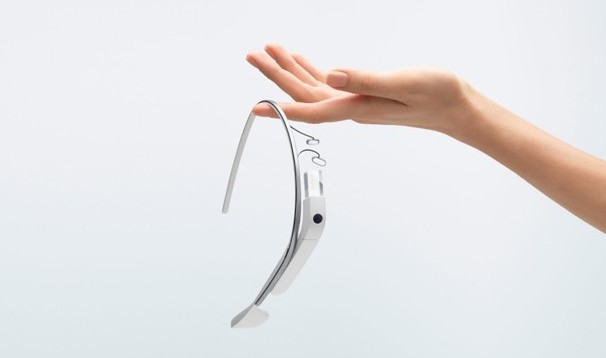
Having said all those, Google certainly took a different stance with the Glass, through its Explorer Program (a glorified name for beta testing). It accomplished two things – one, the fact that they have an exhaustive beta testing phase on the hardware itself with a small subset of “gadget fanatics” and two, the anticipation levels of the consumer community grew exponentially.
The book, Dogfight, describes this perfectly. It says that Google is still learning the art of hardware product industry. But it is learning fast. And soon a lot of industries and their incumbent organizations will need to hit the panic button. Google Fiber will revolutionize the cable industry; Google Glass will change the way people live; Google cars will shake up the car and transport industry, albeit the myriad of hurdles it still needs to hop through. And a day will come when “Don’t be Evil” will be on the banner boards across the globe, as Google completes its world domination!
Let me know your thoughts…
 Idle Tech Thoughts